Vincent van Gogh
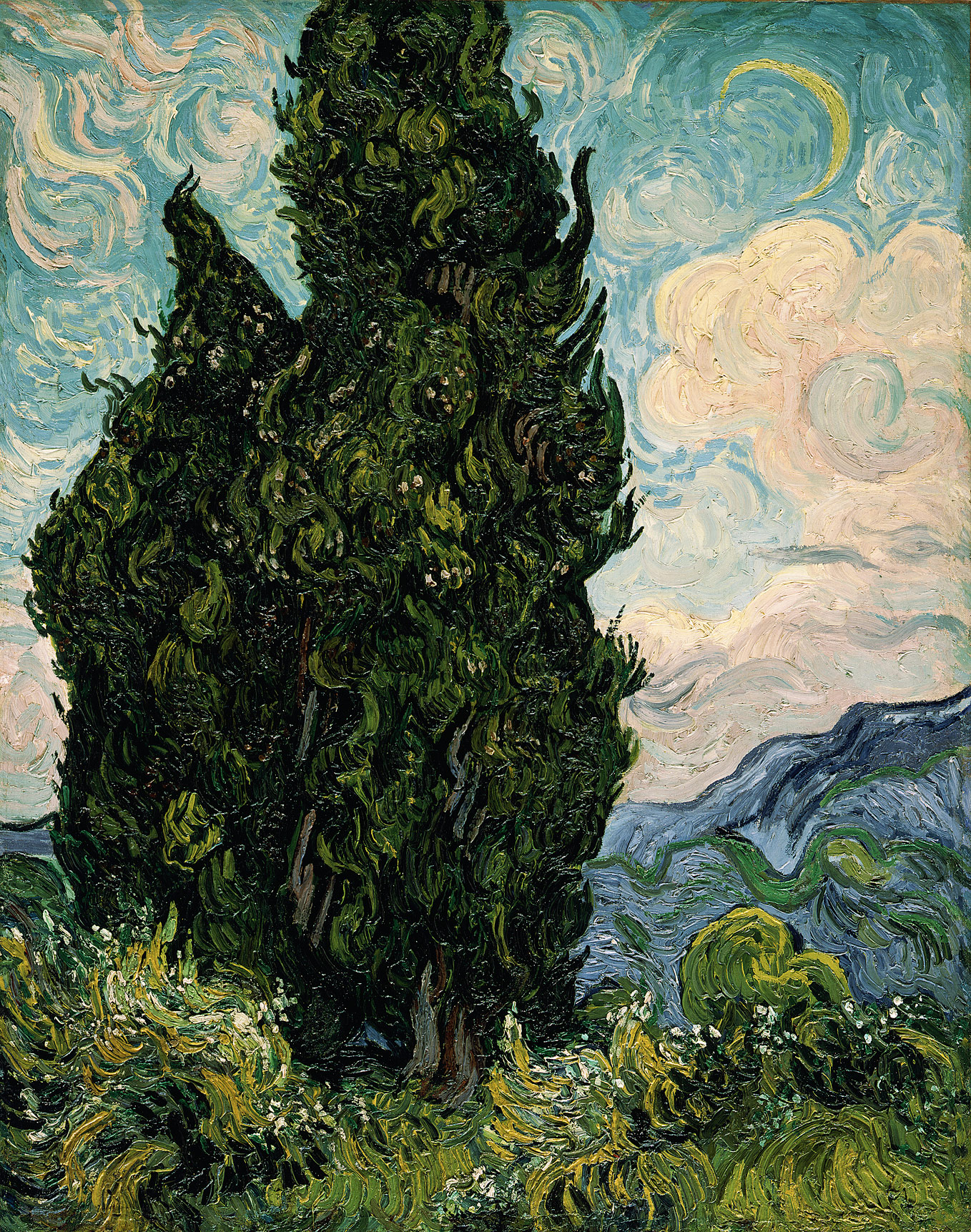
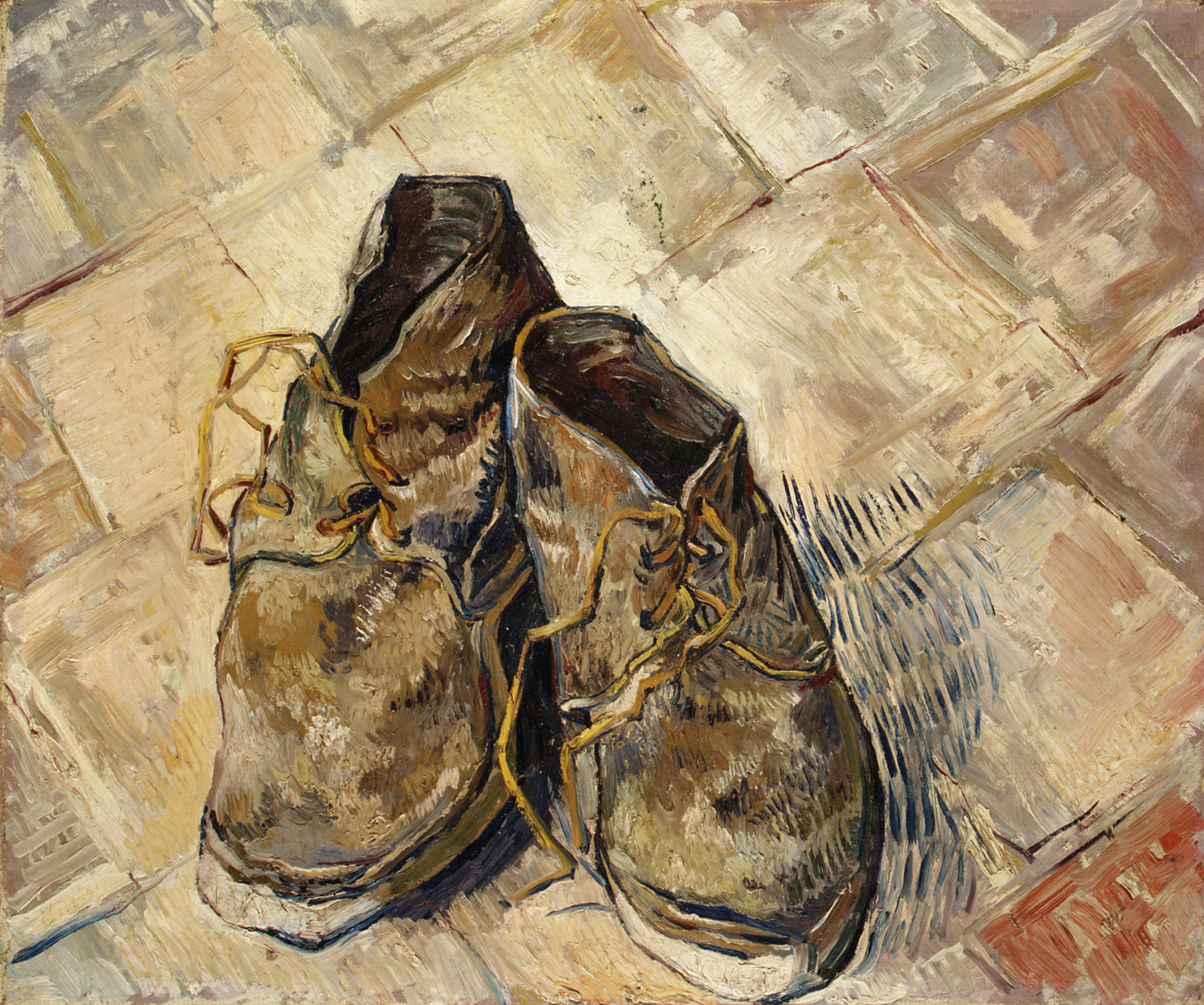
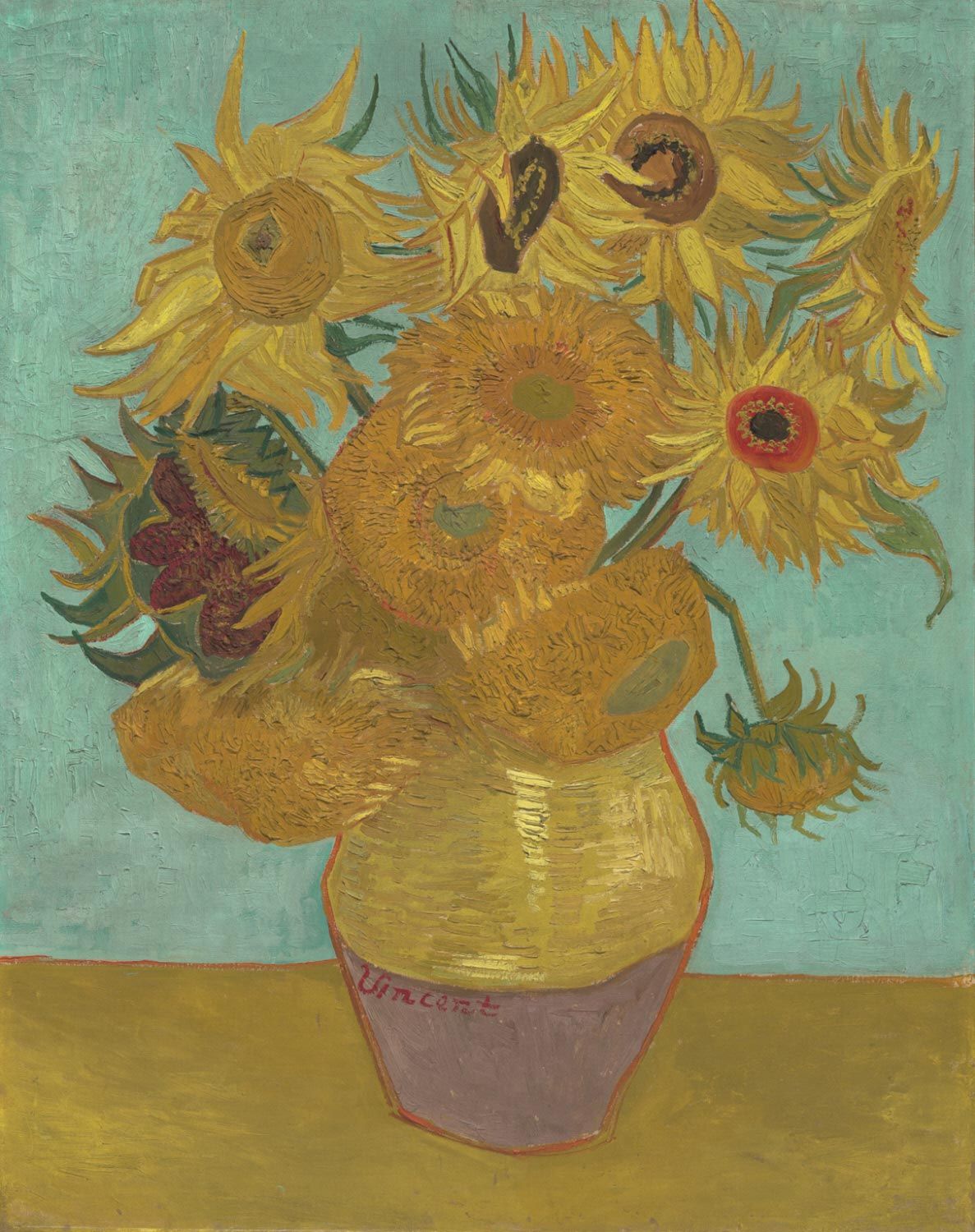
1. Van Gogh painted self portraits, still lifes, landscapes, and portraits. He created over 2,000 pieces of artwork, most of which were oil paintings. In all of his works you can see the type of brush stroke that give a bit of an abstract feel.
2. The strokes and line markings that he creates are what make his artwork unique. Later on in his career, his palette changed from more earthy tones to more vibrant colors.
3. The elements that really stand out to me in his artwork are texture and contrast. The element that makes the most impact is the texture, because of the strokes! You see this technique in every one of his pieces.
Ansel Adams
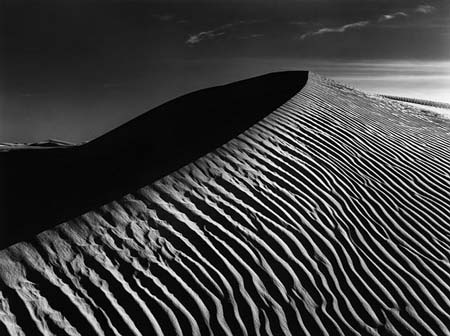
1. Adams is best known for his black and white photos. His photos tell a story and make you see the little things (because of the depth-foreground, middle ground, and background).
2. The main strategy that he developed was called the Zone System. This system was a way to adjest contrast and determine proper exposure in photographs. This gave more depth to his images, and made them more clear. Ansel Adams used large format cameras to ensure sharpness in his images because of the high resolution (although the size, weight, cost of film, and setup time for the camera were not easy to work with).
3. Contrast, contrast, contrast! The black and white play off of each other nicely, to create shadows and illuminate the main focus. The photos are always balanced and have good composition.



Brassai
1. Brassai liked taking photos in dark settings, especially at night. This gave him special lighting effects. It was a challenge to get the clear image which he desired, since the lighting had to be just right. He figured out that if he kept his shutter open for longer then he would be able to capture the image that he was aiming for.
2. He opened the shutter when ready and flashed, to get the desired brightness. His dark surrounding create beautiful lighting.
3. Contrast and leading lines. The shadows draw your eye into the main focus and the contrast creates distinct edges and outlines.


.JPG)
.JPG)
.JPG)
.JPG)
.JPG)
.JPG)